

Guomao Group has been a manufacturer specializing in power transmission industry for 30 years with a wide product series including speed reducer boxes, gear motors, electric motors and become a bellwether in the intelligent automation.
Wide Range of Fields
We have established business relationship with leaders in various fields such as energy, mining, construction, logistics, pharmaceuticals, chemicals, machinery and robotics.
Wide Range of Applications
Our products are widely used in Garment Shops, Manufacturing Plant, Machinery Repair Shops, Food & Beverage Factory, Printing Shops, Construction works, Energy & Mining, Food & Beverage Shops, Hotels, Building Material Shops, Farms, Restaurant, Home Use, Retail, Food Shop, Advertising Company, Energy & Mining, Other.
Quality Assurance
Each batch of goods has a corresponding quality inspection report to solve your concerns about product quality.
Quick Transportation
We cooperate with professional sea, air and logistics companies to provide you with the best transportation solution.


What Is Worm Geared Motor
Worm gearmotors are used in elevators, packaging equipment, and heavy equipment. These motors are valued for a number of reasons including the fact that they have the capacity to absorb the energy from large sudden shocks. That is what makes them so well-suited for heavy equipment and industrial purposes. If you want to know the specifications and prices of Worm Geared Motor, please contact us!
High Reduction Ratios
Worm gear motors excel in providing high reduction ratios in a compact design. This characteristic enables them to achieve significant speed reduction, making them ideal for applications requiring slow and controlled movement. Industries that need precise positioning and torque, such as robotics and conveyor systems, benefit from the high reduction ratios of worm gear motors.
Self-Locking Mechanism
A distinctive advantage of worm gear motors is their inherent self-locking capability. The design of the worm and worm wheel creates a locking effect that prevents the motor from back-driving when the load is applied. This feature ensures the motor remains in position even when the power is not applied, enhancing safety and stability in various applications.
Quiet Operation
Compared to other gear types, worm gear motors produce less noise during operation. The sliding contact between the worm and worm wheel results in reduced gear engagement noise. This makes worm gear motors suitable for applications where noise reduction is crucial, such as medical equipment and indoor machinery.
High Efficiency
Worm gear motors can achieve high levels of efficiency when designed and lubricated properly. The smooth and consistent transmission of power between the worm and worm wheel minimizes energy losses, leading to better overall efficiency. When combined with their high reduction ratios, these motors become an energy-efficient solution for various industrial processes.
Versatility in Mounting Positions
Another advantage of worm gear motors is their versatility in mounting positions. Unlike some other gear types, worm gear motors can be mounted in various orientations without compromising their performance. This flexibility allows engineers to optimize space utilization and integrate them seamlessly into different applications.
Types of Worm Gearboxes
Standard Worm Gearbox
The standard worm gearbox is the foundational design used across various industries. It's prized for its straightforward, effective design, which balances performance, durability, and cost. These gearboxes are typically used where the equipment footprint needs to be minimized without sacrificing output torque.
Helical Worm Gearbox
Enhancing the standard design, the helical worm gearbox integrates a helical gear stage before the worm gear stage. This addition not only improves the efficiency but also significantly reduces operational noise. The helical teeth engage gradually and more smoothly than standard teeth, distributing the load across several teeth and thereby increasing the lifespan and reliability of the gearbox.
Industrial Worm Gearbox
Industrial worm gearboxes are engineered to endure the rigors of heavy-duty operations. They are built with durability in mind, often featuring superior-grade materials and reinforcements that enable them to operate in challenging environments. These gearboxes also include advanced features like cooling mechanisms to mitigate the thermal output from the high torque operations typical of industrial applications.
Worm Gearbox Motor
Combining a worm gearbox with an electric motor results in a compact, efficient unit known as a worm gearbox motor. This integration not only simplifies mechanical design but also enhances overall system efficiency. These units are particularly beneficial in applications where space is constrained, but high torque output is required.
Motor Worm Gearbox
This variant is similar to the worm gearbox motor, emphasizing the seamless integration of an electric motor with a worm gearbox. The motor worm gearbox is a popular choice in applications requiring reliable power transmission with minimal footprints, such as automated machinery and robotics.
Application of Geared Motor


Banking Sector
Gear motors are also used in the banking sector for cash dispensing and are available with various voltages, motor speeds and gear ratios. They are ideally suited for devices such as ATMs, receipt printers and cash machines to meet customer needs and help improve the operational efficiency, security and automation of banks.
Vending Machines
Gear motors are also widely employed in the vending machine sector, performing various tasks to ensure a smooth and efficient vending experience, including:
- Dispensing products precisely, smoothly and efficiently, including the handling of fragile products, minimizing the risk of damage
- Payment systems, for accepting and dispensing cash and coins, and card reading in vending machines
Lighting Systems
In the lighting sector, gear motors are the ideal solution for a variety of purposes, including:
- Controlling the position and angle of lighting devices, in contexts where specific effects are required (e.g. photo studios and theatres)
- Orientation and adjustment of lighting, with the aim of directing the flow of light in specific directions as required (e.g. fashion shops)
- Management of automated lighting systems, allowing remote control and programming of lighting according to different parameters
Home Automation Sector
Over time, we see an ever-increasing use of home automation in private homes, businesses and public spaces, transforming the way we interact with our surroundings through innovative solutions for a more comfortable, efficient and safer life. Also in this field, gear motors have numerous applications, including the motorization of awnings, blinds and shutters, electronic lock systems, enabling remote opening and closing and the possibility of controlling household appliances (opening and closing compartment doors, etc.).
Safety Systems
One more area in which the use of gear motors is becoming increasingly common is the security sector. The most frequent applications are in surveillance systems (orientation of cameras), alarm systems (activation of burglar alarm systems and other emergency functions) and access systems (operation of locks and barriers and control of gates and fences).
Horeca Sector
Gear motors are also key components in the Horeca sector, where they are used to perform multiple functions:
Cooking equipment and appliances: In ovens, cookers, cooking utensils, kitchen hoods and hobs, they regulate the movement of moving parts to ensure controlled and uniform cooking
Stirring and mixing appliances: They facilitate the preparation of food and drinks in large Quantities
Beverage dispensing and distribution systems: They ensure the precise and uniform dispensing and distribution of beverages.
Coffee machines: They help perform numerous functions such as grinding coffee beans, dispensing water, moving parts, driving pumps and cleaning.
Medical Sector
The use of gear motors in the medical equipment sector improves the efficiency and precision of devices. Specific applications include diagnostic and analysis equipment, peristaltic pumps and drug delivery devices, and surgical equipment.
Fitness Machines
In the fitness industry, gear motors are used to add advanced functionality to equipment and enhance the functionality and efficiency of machines, thereby optimizing the user experience.
Materials Used to Make Worm Gears
Bronze
Bronze is typically used to make the worm wheel due to its significant mechanical properties. The metal bronze is an alloy of copper and varies depending on the other alloys combined with the copper, which can be nickel, zinc, tin, or aluminum. Typical worm wheels are made of tin bronze or aluminum bronze due to their strength and resistance to fatigue, friction, and wear.
Brass
Much like bronze, brass is used to make the wheel gear; it is a softer metal and prevents wear on the shaft of the worm gear. The brass worm gear configuration is used for light loads since brass can only endure lower load amounts.
Steel
Though there are steel worm gears and worm wheels, the usual configuration is a steel worm gear with a bronze or brass worm wheel. Steel is used for its durability, tensile strength, and longevity. The steel worm gear and steel worm wheel combination are more expensive and require extensive time and effort to repair when they fail.
Plastic
Plastic worm gears are used for extremely light loads such as automotive components and robotics. When paired with metal worms, they have a quieter performance and do not require lubrication. Plastic worm gears are lightweight and resistant to corrosion and chemicals.
Stainless Steel
Stainless steel worm gears are made of 303 and 316 grade stainless steel. They are ideal for damp and wet conditions since they do not rust or corrode. They are normally used in conditions where cleanliness is a necessity such as food and beverage manufacturing. They are easy to clean and have smooth surfaces and exceptional durability.
Motor
The motor is the heart and soul of a gear motor drive. It serves as the source of mechanical power that drives the entire system. Without a motor, the gear motor drive simply wouldn't exist! In basic terms, the motor converts electrical energy into mechanical energy. This conversion process allows it to generate rotational motion, which is essential for driving various applications such as conveyor belts, pumps, and robots.
Gearbox
The gearbox is a crucial component in a gearmotor drive. It plays the role of converting the speed and torque generated by the motor into values suitable for the driven load. This conversion process allows for efficient and effective operation of various mechanical systems. A gear system consists of multiple gears with different sizes, known as gear ratios. These ratios determine how much torque and speed are transmitted from the input (motor) to the output (drive shaft).
Drive Shaft
The drive shaft is a vital component of a gear motor drive, as it plays a crucial role in transmitting power from the motor to the driven load. It serves as the bridge between these two components, ensuring that energy is efficiently transferred and utilized. Designed to withstand high levels of torque and rotational forces, drive shafts are typically made from strong materials such as steel or aluminum. This allows them to handle the demanding conditions often encountered in industrial applications.
Enclosure
The enclosure serves as a protective casing for all the internal components of the gear motor drive, including the motor, gearbox, and drive shaft. It safeguards these delicate parts from external factors such as dust, moisture, and physical damage that could potentially disrupt their operation or cause premature wear and tear.
How to Choose Worm Geared Motor
As the motor or gearmotor selection process begins, first gather the relevant technical and commercial requirements.
The gathered information will then be used in the selection process and will dictate the ideal motor for the application. Failure to gather the proper inputs can lead the designer down an unintended path. It's helpful to use an application checklist when developing the motor specification. These parameters, along with some project specific requirements, will be helpful when navigating the selection process.
Using the design inputs, the Motors Quick Reference Guide (below) can be used as a selection matrix in the first step of the decision process. This reference guide details four common motor types and provides general information to consider when selecting each motor. Because each application has its own unique characteristics, it's important to determine which of the parameters (e.g. horsepower, efficiency, life, starting torque or noise ratings) are most important to the specific application.
Know that motors and gearboxes can be mixed and matched as needed to best fit the application, but in the end, the complete gearmotor is the driving factor.
Though there are a vast number of different motor and gearbox combinations available, not just any one will work for the application. There will be certain combinations that will be more efficient and cost-effective than others.
Knowing the application and having accurate ratings for the motor and gearbox is the foundation for successfully integrating the gearmotor into the system.
These should reflect typical operating scenarios. If there is extreme motor heat, unnatural noises or obvious motor stress, repeat the motor selection process or contact the manufacturer. It's important to take the time and put in the effort to properly select a motor because a hasty decision and lack of testing can cause a host of problems with the gearmotor and could possibly damage the application.
Though the gearmotor selection process can be arduous, a properly selected gearmotor can last for years and will optimize the application to its peak potential and efficiency. From a company perspective, an optimal gearmotor will also reduce operating costs and increase plant productivity.
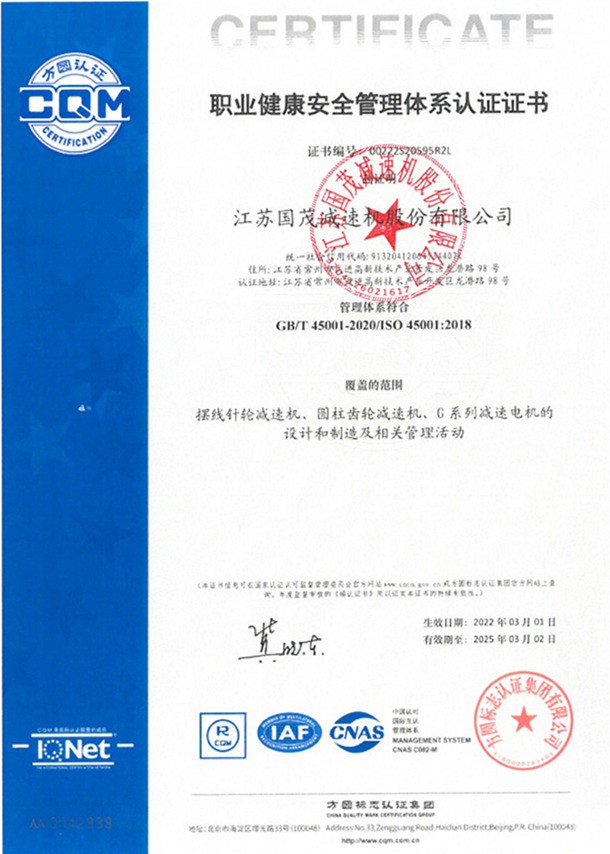
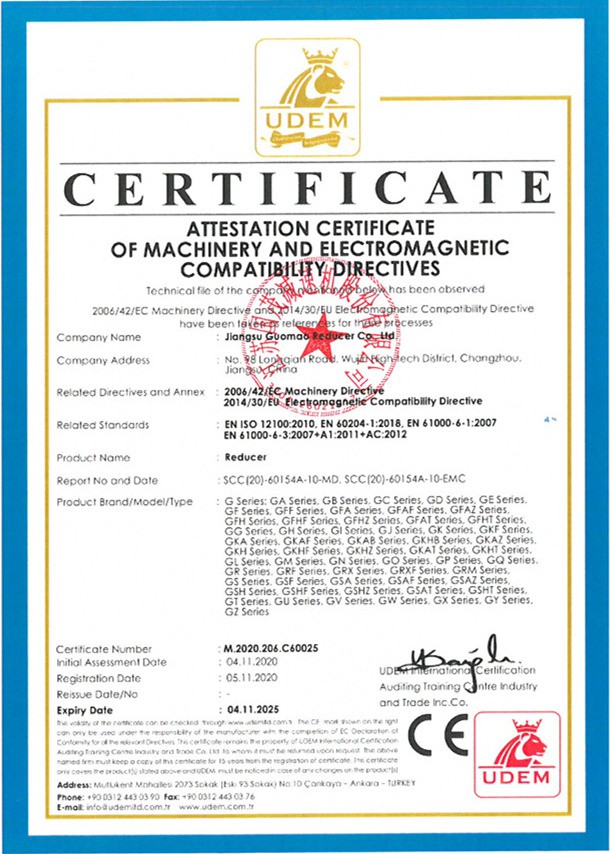
Certifications


Frequently Asked Questions
We're professional worm geared motor manufacturers and suppliers in China. We warmly welcome you to wholesale high quality worm geared motor made in China here from our factory. For customized service, contact us now.