

Guomao Group has been a manufacturer specializing in power transmission industry for 30 years with a wide product series including speed reducer boxes, gear motors, electric motors and become a bellwether in the intelligent automation.
Wide Range of Fields
We have established business relationship with leaders in various fields such as energy, mining, construction, logistics, pharmaceuticals, chemicals, machinery and robotics.
Wide Range of Applications
Our products are widely used in Garment Shops, Manufacturing Plant, Machinery Repair Shops, Food & Beverage Factory, Printing Shops, Construction works, Energy & Mining, Food & Beverage Shops, Hotels, Building Material Shops, Farms, Restaurant, Home Use, Retail, Food Shop, Advertising Company, Energy & Mining, Other.
Quality Assurance
Each batch of goods has a corresponding quality inspection report to solve your concerns about product quality.
Quick Transportation
We cooperate with professional sea, air and logistics companies to provide you with the best transportation solution.


What Is PMSM Sychronous Motor
A synchronous motor is one in which the rotor normally rotates at the same speed as the revolving field in the machine. The stator is similar to that of an induction machine consisting of a cylindrical iron frame with windings, usually three-phase, located in slots around the inner periphery. If you want to know the specifications and prices of PMSM Sychronous Motor, please contact us!
Ability to Maintain Constant Speed
One of the major advantages of the synchronous motor is its ability to maintain constant speed under various load conditions. It means these motors can maintain a constant speed even when the amount of load changes making it ideal for various industrial and commercial applications.
The synchronous motor maintains a constant speed through the synchronization of the rotor and stator. When electrical current flows through the stator, it generates a magnetic field that interacts with the magnetic field produced by the rotor and causes the rotor to rotate at the same speed as of the magnetic field. This ensures a relationship between the stator and rotor, resulting in smooth and steady operation.
This unique advantage makes them ideal for applications such as pumps, compressors, and fans where precise and constant speed is required.
High Efficiency
Synchronous motors maintain a constant speed regardless of load. Unlike other motors, which may experience slip and loss of efficiency at partial load, synchronous motors operate at high efficiency across the entire operating range due to their ability to operate at synchronized speed.
By adjusting the current supplied to the rotor, synchronous motors actively control their power factor. This allows them to correct any leading and lagging power factor resulting in optimizing efficiency and reducing energy losses.
It makes synchronous motors a cost-effective solution for various applications such as pumps, fans, conveyor belts, and HVAC systems where energy consumption is required.
Mechtex 12V Small Synchronous Motor is a prime example of a highly efficient and power factor-optimized solution, making it well-suited for various industrial applications such as pumps, fans, conveyor belts, and HVAC systems where energy conservation and consistent performance are crucial.
High Starting Torque
Synchronous motors generate a significant amount of torque, allowing them to quickly accelerate heavy loads, without the need of any external starting source such as starters or frequency drives.
The high starting torque ensures smooth and steady acceleration of the motor and minimizes the risk of wear and tear. It results in a longer life span and reduces maintenance costs.
Synchronous motors with high starting torque are ideal for applications that require high inertia loads such as large fans, pumps, or conveyor belts. They can overcome the load easily and bring them to operate quickly and efficiently.
Long Life Span
The most significant advantage of synchronous motors is they have a long lifespan. Unlike other motors, synchronous motors have robust and durable construction, which allows them to operate in heavy loads and harsh environments conditions.
Additionally, synchronous motors have a simple design with fewer moving parts, which reduces the chances of wear and tear and increases lifespan. Furthermore, synchronous motors have a high load-carrying capacity means they can handle heavy loads without affecting the performance and efficiency of the motor.
This makes synchronous motors reliable and long-lasting solutions for various industrial and commercial applications.
Smooth and Quiet Operation
Synchronous motors have a unique advantage over the other motors in that they have a smooth and quiet operation. Synchronous motor stator and rotor create a constant magnetic field which allows them to rotate at a constant speed without any load. This results in less vibrations and quiet operation.
Additionally, synchronous motors have a high power factor means they require less energy during operation which contributes to smooth and quiet operation.
Furthermore, synchronous motors lack mechanical commutators which eliminate the sparking and friction and cause noise in motors.
This makes them ideal for use in applications such as medical equipment, audiovisual systems, and residential or office buildings where noise levels must be minimal.
Types of PMSM Sychronous Motor


Non Excited Synchronous Motor
The rotor in non-excited synchronous motors is made of steel. An external magnetic field magnetizes the rotor, causing it to rotate in sync with the field. Typically, the rotor is made from high retentivity steel, like cobalt steel.
Hysteresis Motor
Hysteresis motors are single phase motors in which the rotor is made up of ferromagnetic material. The rotors are cylindrical in shape and have high hysteresis loss property. They are generally made up of chrome, cobalt steel or alnico. The stator is fed by single phase AC supply.
Reluctance Motor
The reluctance motor operates on the principle that iron moves to complete a magnetic flux path with minimum reluctance. Like hysteresis motors, it has main and auxiliary windings to create a rotating magnetic field. The rotor is a squirrel cage rotor with some teeth removed to form salient poles. The rotor aligns with the stator's magnetic field to minimize reluctance.
When single phase AC supply is given, the motor starts as an induction motor. The rotor tries to align itself with the magnetic field of the stator and experiences reluctance torque. But due to inertia, it exceeds the position and again tries to align itself during the next revolution. In this manner, it starts to rotate. Once it reaches 75% of synchronous speed, the auxiliary windings are cut off. When the speed reaches synchronous speed, the reluctance torque pulls it into synchronism. The motor remains in synchronism due to synchronous reluctance torque.
Permanent Magnet Synchronous Motors
The rotor is made up of permanent magnets. They create a constant magnetic flux. The rotor locks in synchronism when the speed is near synchronous speed. They are not self-starting and need electronically controlled variable frequency stator drive.
Direct Current Excited Motor
Direct current excited synchronous motors require a DC supply to the rotor to create the magnetic field. These motors have both stator and rotor windings and can feature cylindrical or salient pole rotors. They are not self-starting, so they use damper windings to start as induction motors before reaching synchronous speed.
Application of Sychronous Motor
The synchronous motor plays a pivotal role in driving industrial machinery and its processes with precision and efficiency. These motors are commonly used in conveyor systems, mixers, extruders, machine tools, printing presses, and packaging machinery.
Synchronous motors have the ability to maintain synchronization between the rotating magnetic field of the stator and the magnetic field of the rotor. It helps synchronous motors to provide precise speed control and ensure consistent processes with high-quality output.
Whether it is regulating movement on the conveyor, blending ingredients in the mixer, or shaping the material in extruders synchronous motors provide torque and speed control to ensure optimal performance.
In printing presses and packaging machinery, synchronous motors offer accurate and synchronized operation, resulting in high-quality finished products.
Synchronous motors are widely used in compressors due to their ability to provide high torque at low speed, precise speed control, and leading power factor.
In compressors, synchronous motors drive the compression mechanism, to increase the pressure of gases and air in various applications such as refrigerators, air conditioners, and industrial machinery.
These motors allow precise control over the rotational speed of the compressors and ensure efficient operation by maintaining synchronization with the power supply. It helps compressors to operate at the desired compression ratio and ensure efficient performance with minimizing energy consumption.
Synchronous motors are the integral component of the pump system. These motors drive the rotating impeller or rotor of pumps to maintain fluid flow in applications.
Synchronous motors offer several advantages to pump systems. Firstly, synchronous motors provide high torque at low speeds and ensure efficient start-up operation, especially when the pump needs to overcome the initial resistance from the lower level.
Additionally, synchronous motors offer precise speed control and allow the pumps to regulate the flow of liquid accurately to applications. It helps pumps to offer reliable performance and ensure energy efficiency in various load conditions.
Synchronous motors are the essential components in HVAC systems by providing precise control and efficient operation in various applications. These motors power the various components of HVAC systems such as fans, compressors, and dampers.
In fans of HVAC systems, synchronous motors ensure precise speed control for optimal speed regulation, temperature, and humidity control in residential and commercial areas.
Similarly in compressors, synchronous motors ensure efficient heating and cooling processes and contribute to temperature regulation and energy efficiency in various environmental conditions.
While in dampers, synchronous motors control the position of dampers and ensure precise regulation of airflow to different zones to ensure optimal temperature control in residential and commercial areas.
Synchronous motors are the ideal solution for clocks and timers. These motors offer precise rotational speed synchronized with the frequency of the AC power supply.
Unlike asynchronous motors, synchronous motors do not experience slip and ensure consistent and accurate time measurement. This is achieved by synchronizing the rotation of the rotor with the magnetic field of the stator and results in fixed-speed rotation.
This helps clocks and timers to ensure accurate time-keeping over extended periods without any fluctuations.
Additionally, synchronous motors are energy efficient, consume less power during operation while providing the necessary torque to drive the clock mechanism, and become an indispensable component of various timekeeping devices.
Synchronous motors are used in power generation plants as synchronous generators. They convert the mechanical energy into electrical energy. They are connected to turbines and driven by steam, wind, and water. As a synchronous generator, it rotates at a synchronized speed and produces electricity.
Synchronous motors are also used for power factor correction in the plants. They regulate the power factor by adjusting the exciter and allowing it to absorb or supply reactive power, regulating the voltage supply and overall efficiency of the system.
Construction of Synchronous Motor
Stator
It is the stationary part of the motor. It consists of a stack of thin, insulated laminated sheets and other magnetic materials. These laminations are stacked to form the core of the stator. The core of the stator consists of coils of wire wound around the slots and form the winding of the motor. When AC is supplied through this winding, it produces a magnetic field to rotate the rotor.
Rotor
It is the rotating part of the motor. It consists of steel lamination, copper conductors, and permanent magnets. When AC is supplied through the winding of the stator, it generates the magnetic field, then the rotor interacts with the magnetic field and rotates the motor at a synchronized speed.
Exciter
It is a crucial component of a synchronous motor. It is responsible for maintaining the synchronous speed of the motor. Adjusting the phase of direct current (DC) supplies to the rotor, ensures that the rotors rotate at the same speed as stator winding. It helps the motor to rotate at its constant speed and to maintain its stability.
Bearing
It plays a critical role in a synchronous motor. It provides support to the rotor shaft to maintain its position and allows it to rotate freely. There are 3 types of bearings such as sleeve bearings, roller bearings, and ball bearings.
Sleeve bearings made up of bronze allow smooth rotation of the rotor by providing low friction. Roller bearings use cylindrical and tapper rollers to reduce friction and handle high radial loads. Ball bearing uses balls to minimize friction.
They are efficient in handling the axial loads. Bearings need timely inspection to avoid wear and tear, maintenance, and potential failures to improve the efficiency of the motor.
Shaft
It connects the rotor with the external load of the motor. It helps to transmit the rotational force produced by the motor to the application.
Housing or Frame
It protects the internal components of synchronous motors. It provides structural support and consists of a bearing, stator, rotor, and exciter.
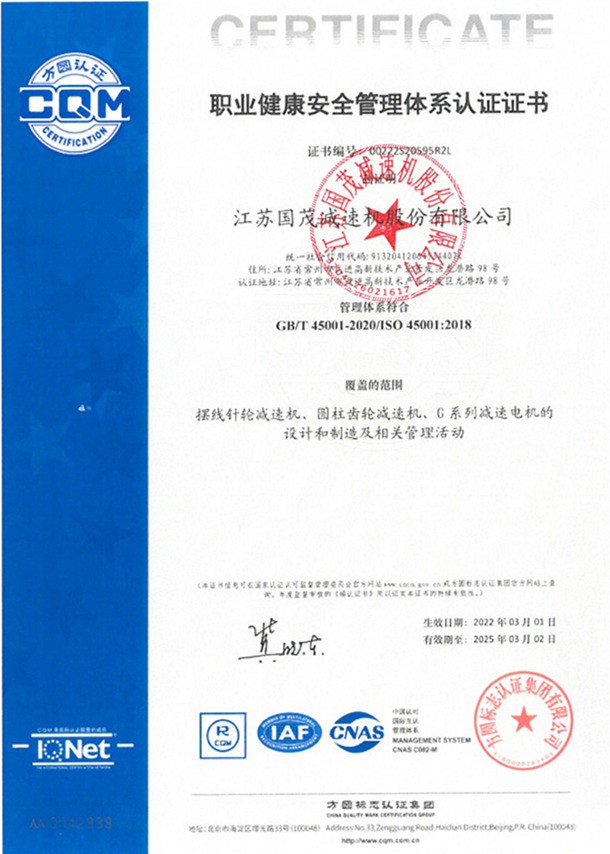
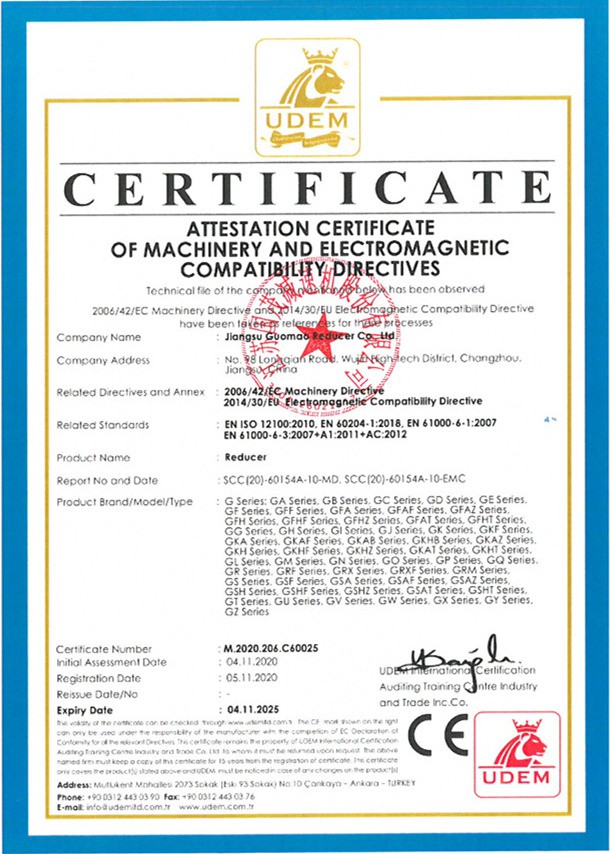
Certifications


Frequently Asked Questions
We're professional pmsm sychronous motor manufacturers and suppliers in China. We warmly welcome you to wholesale high quality pmsm sychronous motor made in China here from our factory. For customized service, contact us now.