

Guomao Group has been a manufacturer specializing in power transmission industry for 30 years with a wide product series including speed reducer boxes, gear motors, electric motors and become a bellwether in the intelligent automation.
Wide Range of Fields
We have established business relationship with leaders in various fields such as energy, mining, construction, logistics, pharmaceuticals, chemicals, machinery and robotics.
Wide Range of Applications
Our products are widely used in Garment Shops, Manufacturing Plant, Machinery Repair Shops, Food & Beverage Factory, Printing Shops, Construction works, Energy & Mining, Food & Beverage Shops, Hotels, Building Material Shops, Farms, Restaurant, Home Use, Retail, Food Shop, Advertising Company, Energy & Mining, Other.
Quality Assurance
Each batch of goods has a corresponding quality inspection report to solve your concerns about product quality.
Quick Transportation
We cooperate with professional sea, air and logistics companies to provide you with the best transportation solution.


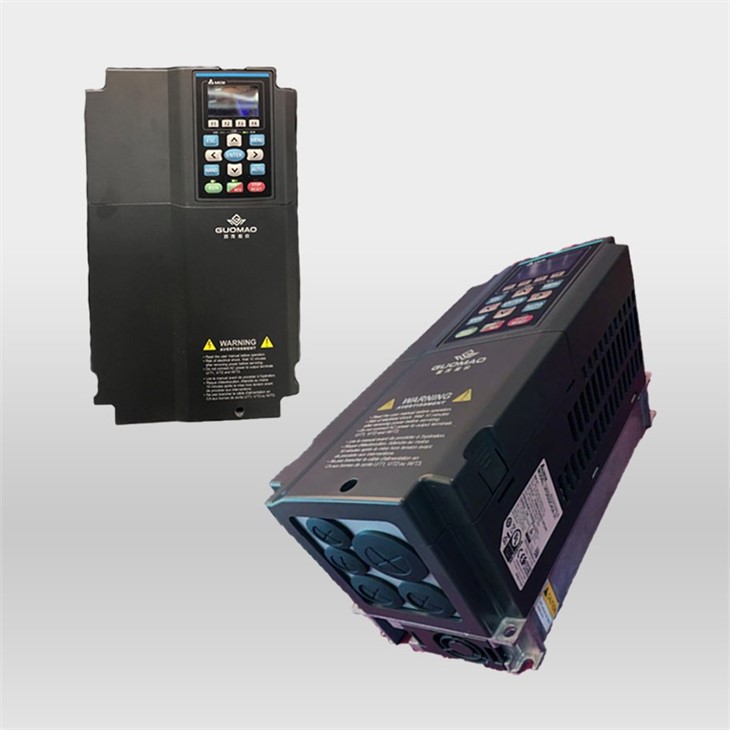
What Is AC Inverter
A power inverter, inverter, or invertor is a power electronic device or circuitry that changes direct current (DC) to alternating current (AC). The resulting AC frequency obtained depends on the particular device employed. If you want to know the specifications and prices of AC Inverter, please contact us!
Improved Efficiency and Cost Savings
Frequency converters enable you to run a motor or pump at the most efficient speed, as well as allowing you to match the motor to the amount of power required. In turn, this will prevent the motor from overworking which, in the long run, can improve the overall efficiency and improve the costs of running the pump or motor. By precisely matching the motor speed to the required workload, frequency converters enable motors to operate at their optimal level, which significantly reduces energy consumption, leading to lower running costs.
Extended Equipment Life
Running motors at optimal speeds reduces wear and tear, translating to fewer breakdowns, less need for repairs, and a longer lifespan for your machinery. This translates to substantial cost savings in the long run. By running your machines at a slower, more efficient speed, frequency converters will help it to run much better for longer, which can reduce the need for maintenance and the costs that come with it. That's not to say that proper maintenance isn't important – you may just find you need less of it.
This efficient way of running pumps and motors will help machines to last significantly longer than they would without a frequency converter. Efficient speeds put much less pressure on the machine which, over time, will see if last much longer and reduce the the amount of repairs or replacements you make in the long run.
Increased Process Control
Frequency converters allow for precise control over motor speed. This enables finer control over industrial processes, leading to better product quality and potentially increased output.
Reduced Maintenance Costs
As mentioned earlier, frequency converters reduce stress on motors and other equipment by allowing them to operate at optimal speeds. This translates to a longer lifespan for your machinery, reducing maintenance needs and associated costs.
Versatility
Frequency converters can enable the use of equipment designed for different electrical frequencies. This can be particularly useful if you're incorporating machinery from other regions into your operations.
Improve Processes
Many businesses find that utilising frequency converters helps to improve processes by being able to take control of the speed of a machine. Processes are pivotal in the successful performance of a business or industry, so being able to improve your own processes is one of the greatest long-term benefits you could achieve with the help of frequency converters.
Frequency converters are much cheaper than they once were
Many still believe that utilising a frequency converter is a hefty investment, but the cost of these tools have dropped significantly in recent years. Thanks to lower prices and more efficient processes, it's a small investment to make in order to reap the long-term rewards.
Frequency converters are now much less expensive than flow control valves and other conventional starters, and you'll soon make your money back from the energy savings that come with it.
Types of Electric Motor



AC Motors
AC Motors are electro-mechanical devices powered by alternating current to produce rotational motion. The rotation provides mechanical work to drive other rotating machines such as pumps. Standard frame sizes are available over a range of powers to ease interchangeability.
Enclosures can range from simple open designs to explosion-proof, non-ventilated designs, with totally enclosed, fan-cooled (TEFC) being common. An international rating system also prescribes the levels of cooling and protection. AC motors form a large portion of motors in use today and drive pumps, fans, compressors, etc. Sizes range from sub-fractional horsepower machines to 20,000 HP plus-sized units with metric sized units similarly available. AC motors will be either single- or three-phase.
Three-phase machines are categorized by rotor design, either squirrel cage or wound rotor. Squirrel- cage designs use copper or aluminum rotor bars shorted by end rings and are, in a sense, true induction machines-a kind of rotating transformer. Wound rotors use wire-wound rotor poles equal in number to the poles on the stator, and slip rings provide a method of inserting resistance for starting and for varying speed.
Full voltage, or across-the-line, starting of three-phase machines is possible up to about 200 HP, after which a reduced-voltage method is often necessary especially for motors that are started frequently, because of the noticeable voltage drop affecting lights, other motors, etc
DC Motors
DC Motors are electro-mechanical devices powered by direct current to produce rotational motion. The motion provides rotational work to drive other rotating machines such as hoists at varying speeds. Certain wiring arrangements can produce strong slow-speed torque, making them suitable as traction motors for locomotives, although these have largely been replaced by variable-frequency controlled motors. Likewise, golf cart motors are steadily being rejiggered from brushed designs to more advanced forms with electronic drives. Standard frame sizes are available over a range of powers to ease interchangeability.
Enclosures can range from simple open designs to explosion-proof, non-ventilated designs. An international rating system also prescribes the levels of cooling and protection. DC motors have many applications in toys and consumer goods and are used heavily by automakers. They find service on elevators, electric forklifts, and conveyors, where constant-torque loads are normal. DC motors are available as brushed and brushless (permanent magnet) designs, the latter requiring electronic drives and controllers for their operation.
Traditional brushed DC motors are classified on the basis of the excitation used in the field winding with the three main distinctions being shunt, series, and compound. Shunt motors have low starting torques, low overload capacity, minimal speed variation in response to load, and poor stability at zero load. Series motors have high starting torques, high overload capacity, significant speed variation in response to load, and good stability at zero load. Compound motors fall somewhere between the other two in performance characteristics, though they too remain stable at zero load.
Special Motors
General information. Special motors is a wide term at Hoyer. Special is both when a motor is not a part of our standard range but also when if it is a customized designed made for a unique application at one of our customers.
Component of AC Inverter
Diodes
Ectifiers use semiconductor diodes, typically in a bridge configuration, to convert AC power to DC power. Diodes are made up of semiconductor materials, such as silicon or germanium, with a p-n junction that allows current flow in one direction while blocking it in the reverse direction.
Heat Sinks
Since rectifiers can generate heat during operation, heat sinks are often attached to diodes to dissipate heat and prevent damage to the components. Heat sinks are made of thermally conductive materials, such as aluminum or copper, with fins to increase the surface area for efficient heat dissipation.
Capacitors
The DC link uses capacitors to store electrical energy and provide a stable DC voltage source to the inverter. Electrolytic capacitors, with high capacitance values, are commonly used in DC link applications. They are made of two conductive plates separated by an insulating material (dielectric) and are typically enclosed in a cylindrical or rectangular case.
Nsulated Gate Bipolar Transistors (IGBTs)
IGBTs are the main switching devices used in the inverter. They are three-terminal devices that combine the advantages of both bipolar junction transistors (BJTs) and metal-oxide-semiconductor field-effect transistors (MOSFETs). IGBTs consist of multiple layers of semiconductors and are controlled by a gate signal to switch on and off, allowing the conversion of DC power to AC power.
Gate Driver Circuitry
The gate driver circuitry provides the necessary voltage and current signals to control the switching of IGBTs. It ensures precise timing and synchronization of the switching process to achieve the desired output voltage and frequency.
Inductors
Filters include inductors to reduce harmonic distortion by filtering out unwanted high-frequency components from the output waveform. Inductors are made of coils of wire wound around a core, which can be air, iron, or ferrite. They store energy in a magnetic field and impede the flow of high-frequency currents.
Capacitors
Capacitors are also used in filters to further suppress harmonics and smooth the output waveform. These capacitors are typically connected in parallel with the load or in series with the inductors to form LC (inductor-capacitor) filter circuits.
Microprocessor/Digital Signal Processor (DSP)
The control system incorporates a microprocessor or DSP that receives feedback signals, executes control algorithms, and generates control signals for regulating the output voltage and frequency. These components consist of integrated circuits (ICs) with complex electronic circuits and computational capabilities.
Feedback Sensors
Feedback sensors, such as voltage sensors, current sensors, and temperature sensors, are used to measure various parameters in the system and provide feedback to the control system for closed-loop control.
Control Algorithms
Control algorithms are software programs that run on the microprocessor or DSP. These algorithms implement control strategies, such as pulse width modulation (PWM) techniques, to adjust the output voltage and frequency according to the desired specifications.
Fans
Fans are commonly used in frequency converters to provide forced air cooling. They consist of an electric motor and blades that circulate air over heat sinks or other components to dissipate heat.
Heat Sinks
Heat sinks are made of thermally conductive materials and are often attached to power electronic components, such as diodes, IGBTs, or other heat-generating elements, to absorb and dissipate heat efficiently.
Circuit Breakers
Circuit breakers are electromechanical devices that automatically interrupt the current flow in the event of an overload or short circuit. They consist of a bimetallic strip or an electronic trip unit that responds to excessive current and opens the circuit.
Overvoltage Protection Devices
These devices, such as metal oxide varistors (MOVs) or transient voltage suppressors (TVS), protect against voltage spikes or surges that could damage the converter or connected equipment.
Temperature Sensors
Temperature sensors are used to monitor the temperature of critical components and trigger protective actions, such as reducing the output power or shutting down the system, in case of excessive heat.
Digital Communication Ports: Frequency converters may include serial communication ports (such as RS-485, Ethernet, or CAN) to facilitate communication with external systems, such as programmable logic controllers (PLCs) or supervisory control and data acquisition (SCADA) systems.
Analog Input/Output Signals
Analog signals, such as voltage or current signals, can be used for control and monitoring purposes. These signals may be used to set the desired output voltage or frequency or to provide feedback on the system's status.
How to Choose AC Inverter
Determine Your Power Requirements
Understand the power requirements of the equipment or machinery you need to connect to the frequency converter. Identify the voltage and current ratings, as well as the power factor.
Identify The Input And Output Frequencies
Know the input frequency of your power source (e.g., 50 Hz or 60 Hz) and the required output frequency for your equipment. Frequency converters are typically used to convert between different frequencies.
Determine the load type: Identify the type of load you will be connecting to the frequency converter. Different types of loads, such as motors, pumps, or compressors, have specific characteristics that may require different converter features.
Consider the Power Rating
Choose a frequency converter with a power rating that matches or exceeds the power requirements of your equipment. Ensure that the converter can handle both the voltage and current requirements.
Assess the Converter Type
There are different types of frequency converters available, such as rotary converters, static converters, and variable frequency drives (VFDs). Each type has its advantages and is suitable for specific applications. Consider the features, performance, and cost of each type before making a decision.
Evaluate Control and Feedback Options
Determine the level of control and feedback you require from the frequency converter. Some converters offer advanced control options, such as PID control or programmable logic controllers (PLCs), which may be necessary for certain applications.
Consider additional features: Depending on your specific needs, consider additional features such as built-in protection mechanisms (overload protection, short circuit protection), communication interfaces (Ethernet, Modbus), user-friendly interfaces (LCD displays, keypad), or compatibility with other control systems.
Consult With Experts
If you're uncertain about the best frequency converter for your application, consult with experts or manufacturers who specialize in power conversion. They can provide guidance and recommend suitable options based on your requirements.
Compare Specifications and Prices
Once you have shortlisted a few frequency converters that meet your requirements, compare their specifications, prices, and warranty conditions. Consider factors such as reliability, reputation of the manufacturer, and after-sales support.
Make a Decision
Based on your research, select the frequency converter that best matches your power requirements, load type, control needs, and budget.
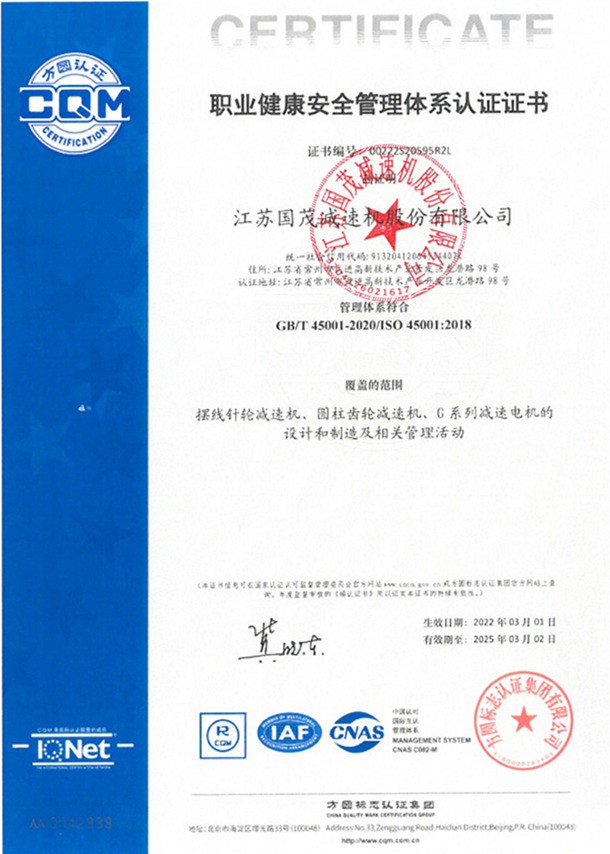
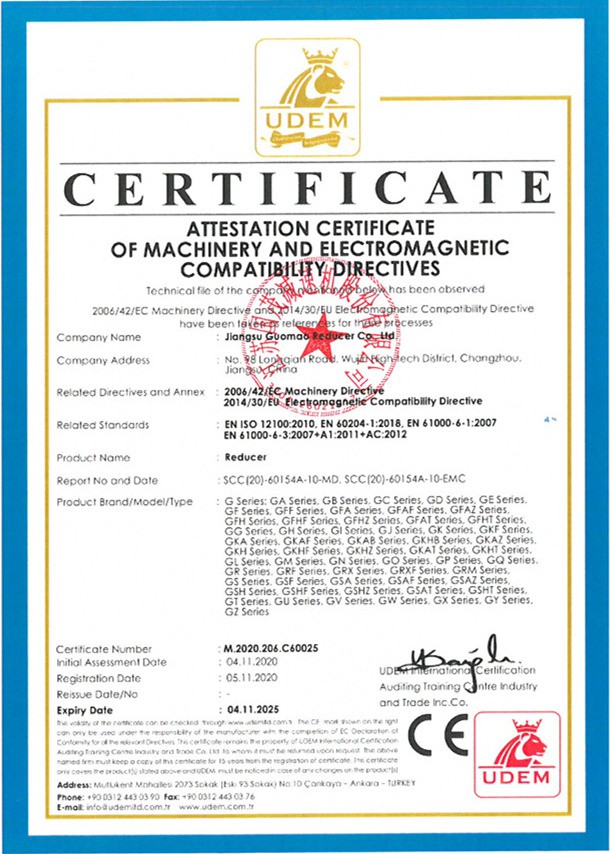
Certifications


Frequently Asked Questions
We're professional ac inverter manufacturers and suppliers in China. We warmly welcome you to wholesale high quality ac inverter made in China here from our factory. For customized service, contact us now.