

Hey there! As a VFD inverter supplier, I've seen firsthand how important it is to deal with the impact of these devices on the power quality of the electrical grid. Variable Frequency Drives (VFDs) are super useful in modern electrical systems, but they can also cause some issues. So, let's dive into how we can mitigate these impacts.
Understanding the Problem
First off, we need to know what problems VFD inverters can bring to the power grid. One of the main issues is harmonic distortion. VFDs convert the incoming AC power into DC and then back to AC at a different frequency. This process can create harmonic currents that flow back into the grid. These harmonics can cause overheating in transformers, motors, and other equipment. They can also mess up the operation of sensitive electronic devices and lead to power factor problems.
Another problem is voltage fluctuations. When a VFD starts up or changes its speed, it can cause sudden changes in the current drawn from the grid. This can result in voltage sags or swells, which can affect other equipment connected to the same grid.
Mitigation Strategies
1. Filtering
One of the most common ways to reduce harmonic distortion is by using filters. There are several types of filters available. Passive filters are relatively simple and cost - effective. They consist of capacitors, inductors, and resistors that are designed to block or divert harmonic currents. For example, a tuned passive filter can be set to a specific harmonic frequency to reduce its impact on the grid.
Active filters, on the other hand, are more advanced. They use power electronics and control systems to detect and cancel out harmonic currents in real - time. They can adjust to different operating conditions and are very effective in reducing harmonic distortion. However, they are usually more expensive than passive filters.

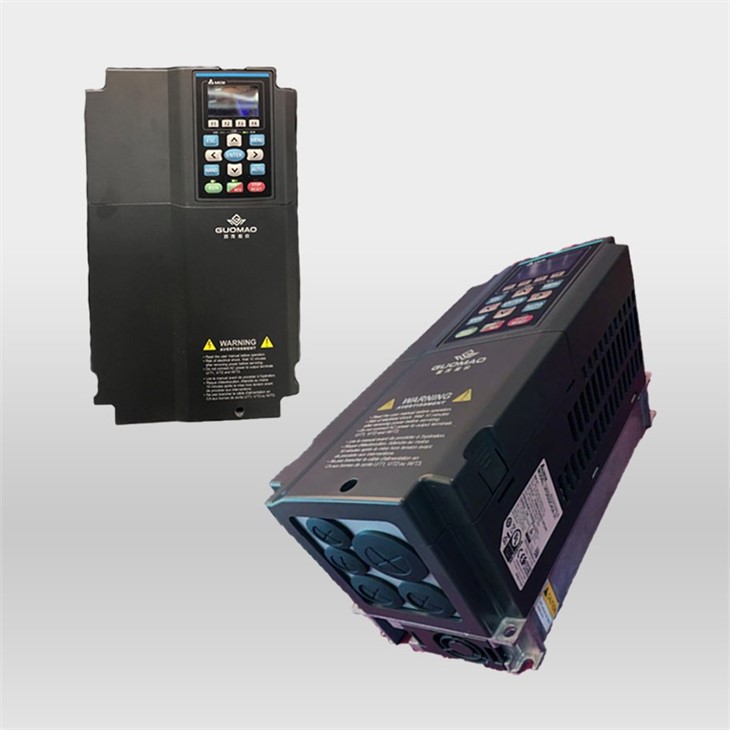
Our GM800 AC Inverter has an option to be paired with high - quality filters. These filters are carefully selected to work in harmony with the inverter, ensuring that the harmonic distortion is kept to a minimum. The filters are also designed to be easy to install and maintain, so you don't have to worry about complex technical issues.
2. Proper Sizing and Selection
Choosing the right VFD inverter for your application is crucial. An oversized inverter can cause unnecessary energy losses and may also contribute to power quality problems. On the other hand, an undersized inverter may not be able to handle the load properly, leading to overheating and premature failure.
When selecting a VFD inverter, you need to consider the load characteristics, such as the motor's power rating, speed range, and torque requirements. Our C2000 AC Inverter comes in a wide range of power ratings, so you can easily find the one that suits your needs. We also provide technical support to help you make the right choice.
3. Soft - Starting and Speed Control Strategies
Using soft - starting techniques can help reduce the impact of VFD inverters on the power grid during startup. Instead of a sudden surge of current when the motor starts, a soft starter gradually ramps up the voltage and frequency, reducing the inrush current and minimizing voltage fluctuations.
In terms of speed control, using a smooth and continuous speed control strategy can also help. Avoiding sudden changes in speed can prevent large current spikes and voltage variations. Our VFD inverters are equipped with advanced control algorithms that allow for smooth and precise speed control, reducing the impact on the power grid.
4. Power Factor Correction
A low power factor can lead to increased energy consumption and higher electricity bills. VFD inverters can sometimes cause a decrease in the power factor. To correct this, you can use power factor correction capacitors. These capacitors are connected in parallel with the load to supply reactive power, improving the overall power factor of the system.
Our VFD inverters are designed to work well with power factor correction devices. We can provide guidance on how to choose the right power factor correction capacitors for your specific application.
5. System Design and Layout
The way you design and lay out your electrical system can also have an impact on power quality. For example, keeping the VFD inverter away from sensitive equipment can reduce the risk of electromagnetic interference. Using shielded cables can also help minimize the impact of electrical noise generated by the VFD inverter.
When installing a VFD inverter, make sure to follow the manufacturer's guidelines for grounding and wiring. Proper grounding can help dissipate electrical noise and reduce the risk of electrical shock.
Monitoring and Maintenance
Once you've implemented these mitigation strategies, it's important to monitor the power quality of your electrical system regularly. You can use power quality analyzers to measure parameters such as harmonic distortion, voltage fluctuations, and power factor. By monitoring these parameters, you can detect any issues early and take corrective actions before they become serious problems.
Regular maintenance of the VFD inverter is also essential. This includes cleaning the inverter, checking the connections, and replacing any worn - out components. Our technical support team can provide you with a maintenance schedule and offer assistance if you encounter any problems.
Conclusion
Mitigating the impact of a VFD inverter on the power quality of the electrical grid is a multi - faceted task. By using filtering, proper sizing and selection, soft - starting and speed control strategies, power factor correction, and careful system design, you can significantly reduce the negative effects of VFD inverters on the grid.
As a VFD inverter supplier, we're committed to providing you with high - quality products and expert advice. Whether you're looking for a GM800 AC Inverter or a C2000 AC Inverter, we have the solutions you need. If you're interested in purchasing any of our products or have any questions about power quality mitigation, feel free to reach out for a procurement discussion. We'll be happy to help you find the best solution for your specific needs.
References
- Chapman, S. J. (2012). Electric Machinery Fundamentals. McGraw - Hill.
- Mohan, N., Undeland, T. M., & Robbins, W. P. (2012). Power Electronics: Converters, Applications, and Design. Wiley.